If you’re into coffee, you’ve probably heard people talk enthusiastically about ‘single-origin’ coffee. But what does single origin actually mean, and why does it get speciality drinkers so excited?
Here’s the short version, and then the good bit: how it tastes, and why it matters.
What is single-origin coffee?
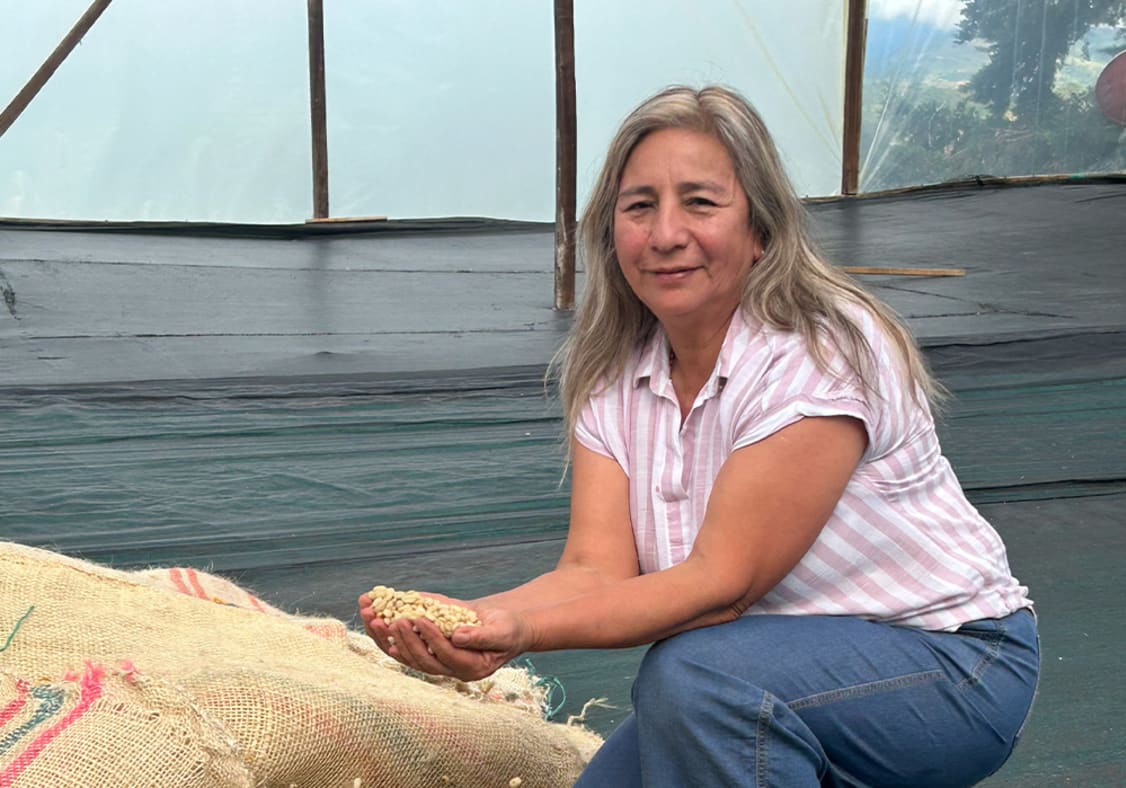
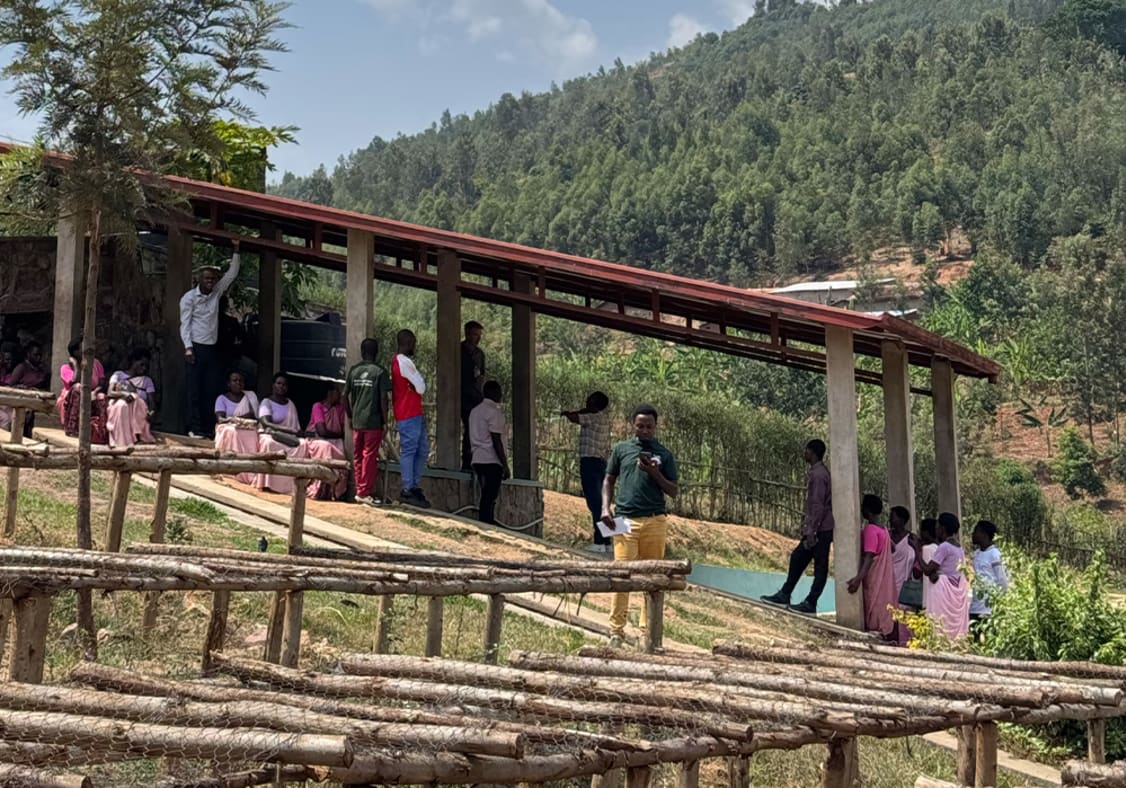
Single-origin coffee is coffee you can trace back to one place. Most often that’s a single farm or estate, though it can also mean one grower, one washing station, or a small co-operative in a clearly defined area.
The point is that everything in your bag comes from one identified source, rather than being pooled together from lots of anonymous farms.
You might assume that’s how all coffee works, the way a tomato from the greengrocer comes from one vine on one farm.
But a lot of the coffee sold in the UK is blended, mixing beans from different farms, regions, and sometimes different countries.
There’s nothing wrong with that in principle, but it does mean you often have no idea where your coffee came from or who grew it.
When you buy single-origin coffee beans, the bag usually tells you a proper story: the country, the region, the farm, the altitude it grew at, the variety, and how the cherries were processed.
That information isn’t there to show off, but because every one of those details shapes what ends up in your cup.
The taste of place
This is the part speciality drinkers get excited about. Coffee is a bit like wine or olive oil: where it grows, and how it’s grown, changes how it tastes.
People sometimes borrow the wine word ‘terroir’ for it, and it fits.
A coffee grown high in the mountains ripens slowly, which tends to build sweetness and a brighter, more delicate acidity.
The soil, the shade, the rainfall, and the variety all leave their mark too. So does the way the grower handles the harvest.
When a grower picks only the ripe cherries by hand and dries them slowly and evenly, that care shows up in the cup as clean, sweet, well-defined flavour.
Rush the picking or the drying, and you taste that as well.
That’s why we write about the people behind the coffee, not just the place. The world’s best coffee growers are craftspeople, and the link between their skill and your enjoyment is a direct one.
A washed Rwandan coffee might taste of red berry and orange blossom – a naturally processed Brazilian might lean into chocolate and ripe berry.
Single origin lets you taste those differences clearly, because nothing else is getting in the way.